Blink Fitness
Pairing digital with the physical
The goal
How might we negate annoyance when entering the gym? By providing Blink members and staff with feelings of autonomy and connection, we can instead lift moods.
The process
Blink Fitness strives to deliver a premium gym experience in the High Value Low Price space. Their aim is to have a personal, uplifting brand - they even named their staff Mood Lifters. But no mood is destroyed faster than an experience of confusion when using multiple (outdated) devices, and solving account issues, when you are just trying to get to working out.
We designed a seamless entry experience by reimagining it all. We created not only visionary system of linked devices, but also a new spacial layout, lighting, sounds, and hardware, all with the goal of ease of use and providing delight.
We were steadfast in creating the most ideal experience. I learned many hands on user research methods. We tracked volume at the gym and recreated a prototype of the gym in our office so we could pressure rest our solutions, and anytime lines were forming, we went back to the drawing board.
The team
Strategist: Hannah Brener
UX Lead & UI Lead: Kerry Drapcho
Head of Design: Sandra Davila
Animations: Johnny Lunn
The problem
Blink’s outdated software at the front desk was causing major delays, confusion, and headaches. We designed a member app and check-in kiosks to help users start working out faster and happier.
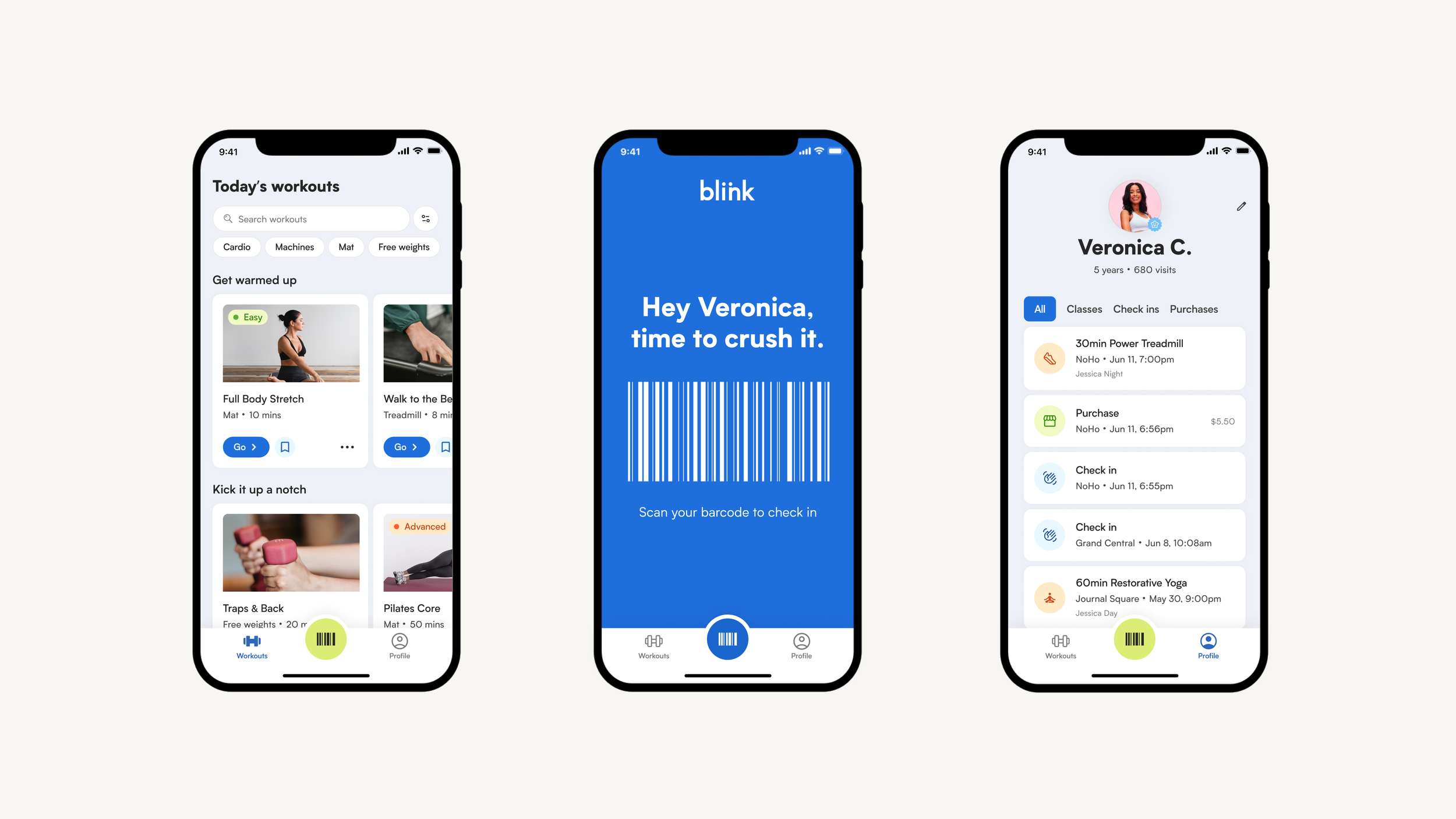
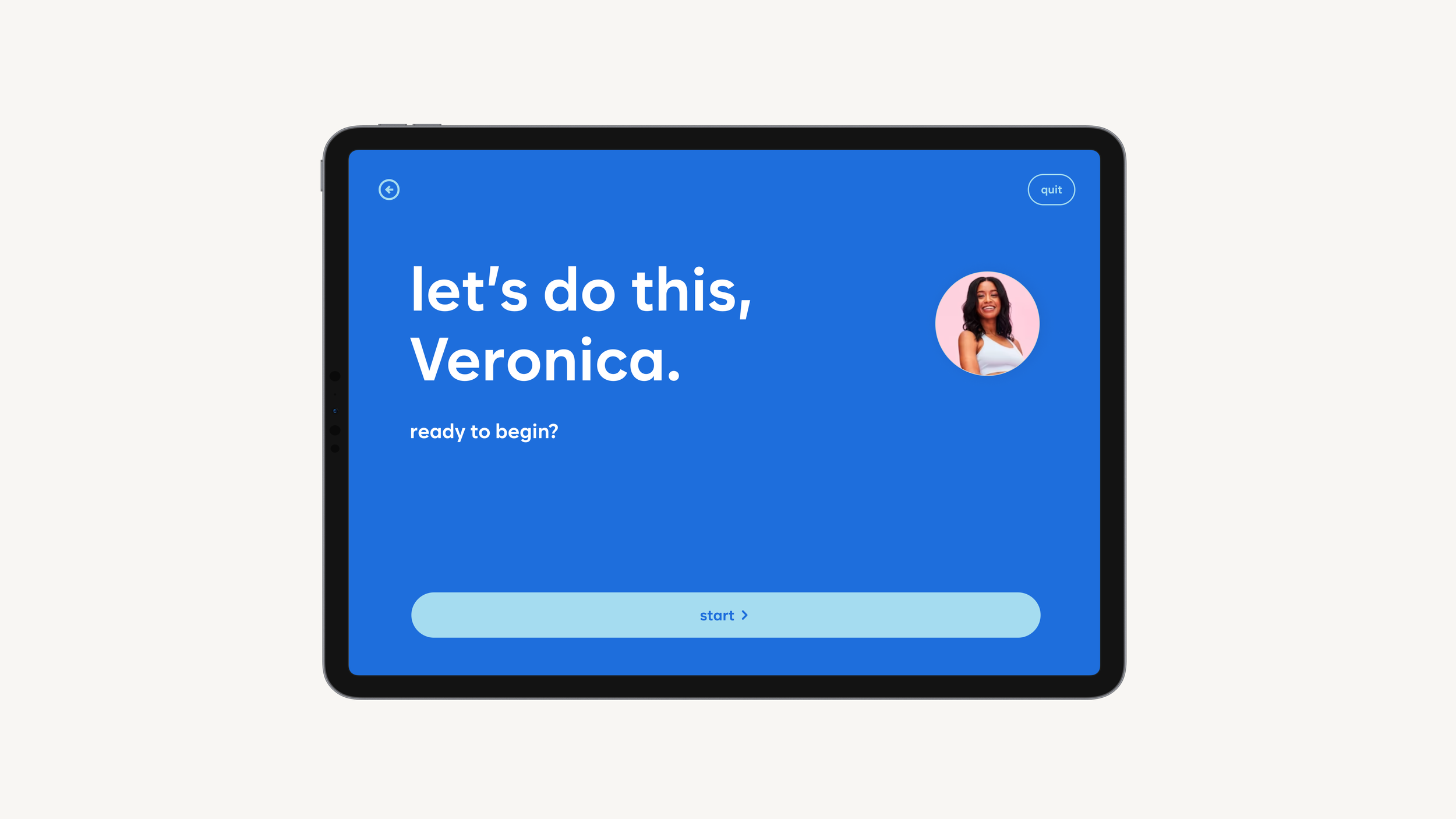
The Check-in app allows members to seamlessly scan into the gym, keep track of their visits, and tailor their experience
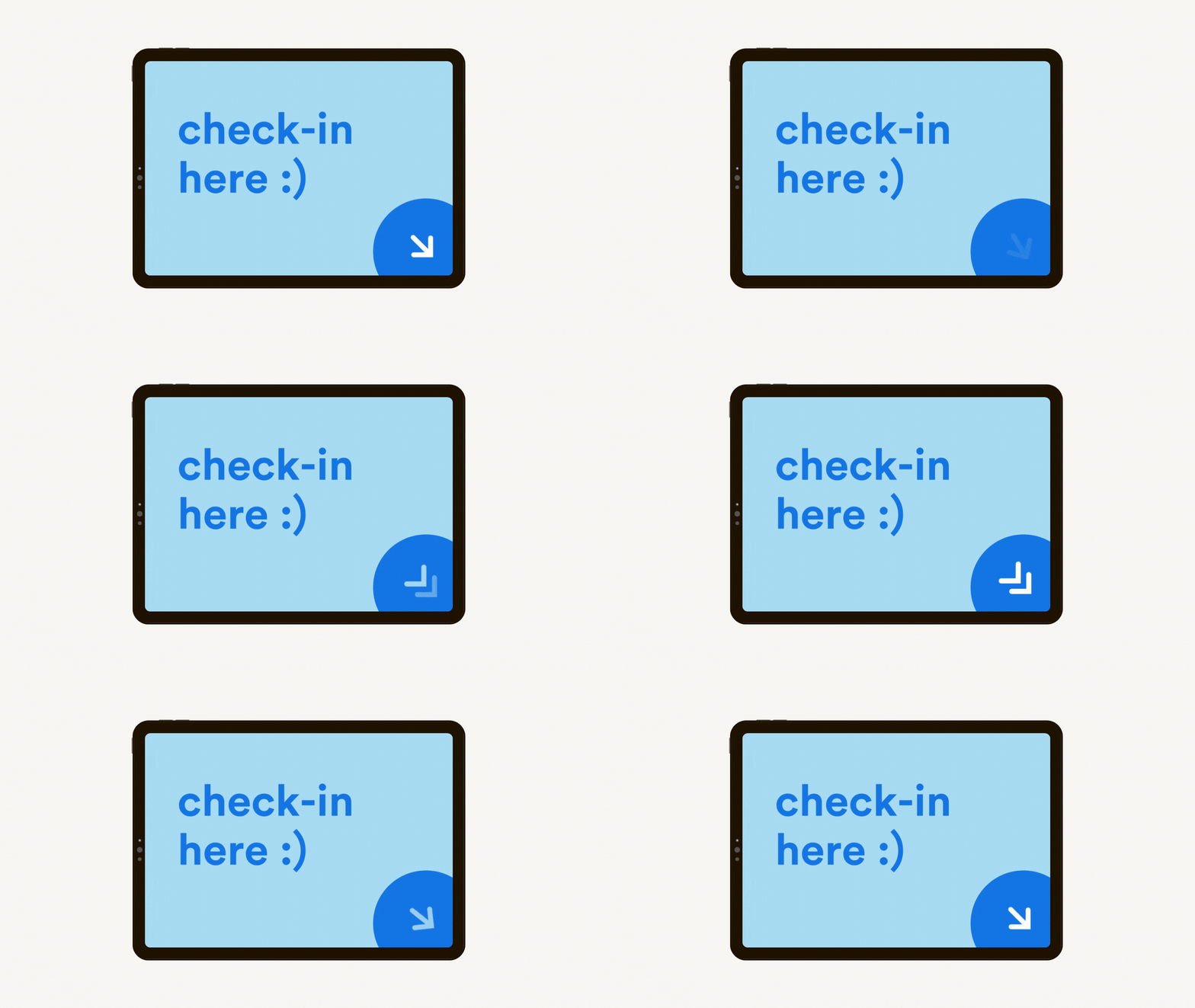
Check-in tablets sit in kiosks ahead of the front desk for users to seamlessly scan their app as they enter
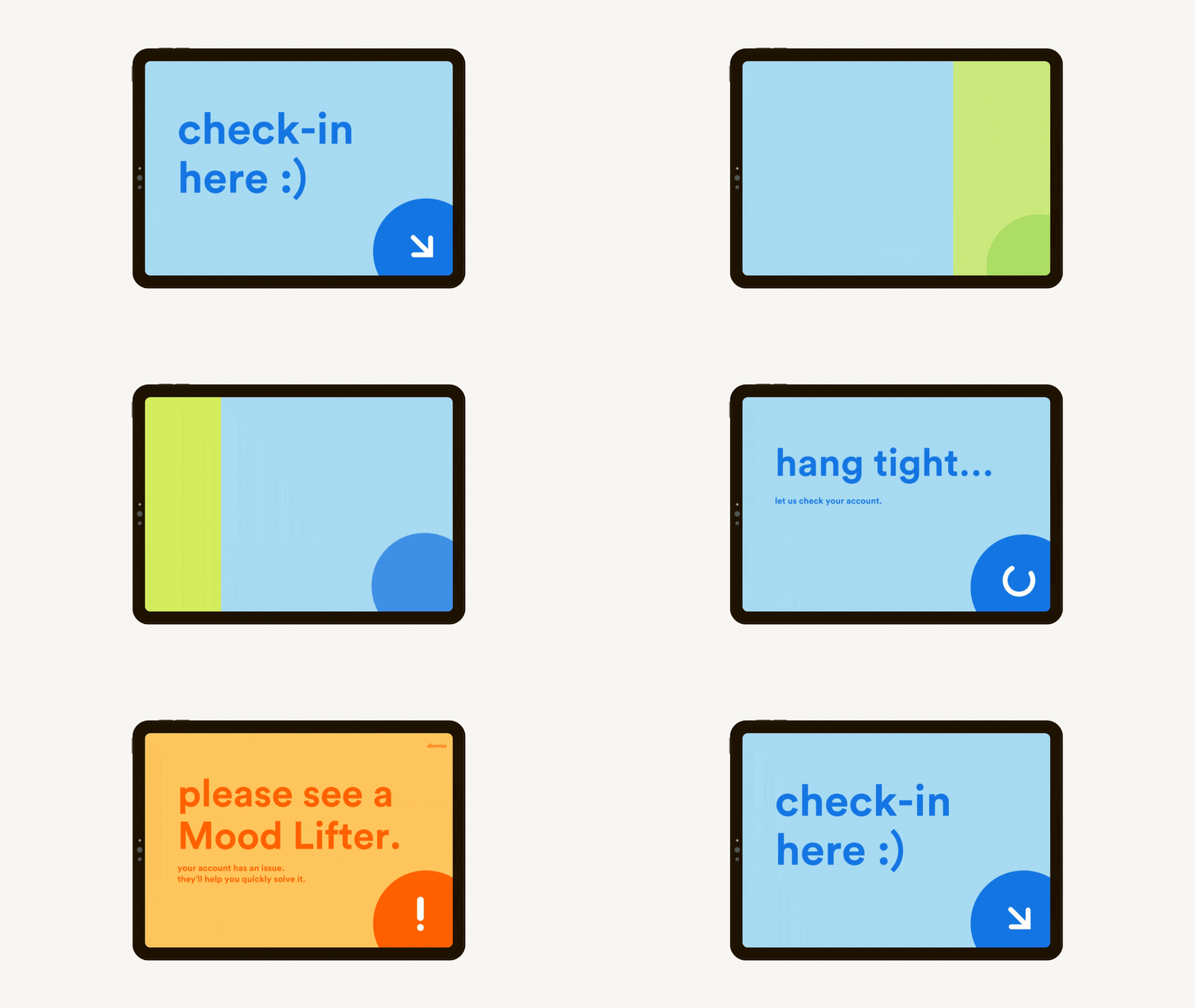
Color, animation, and sound to clearly alert users if their check-in was successful or denied. If they need more assistance, they are directed to the next step
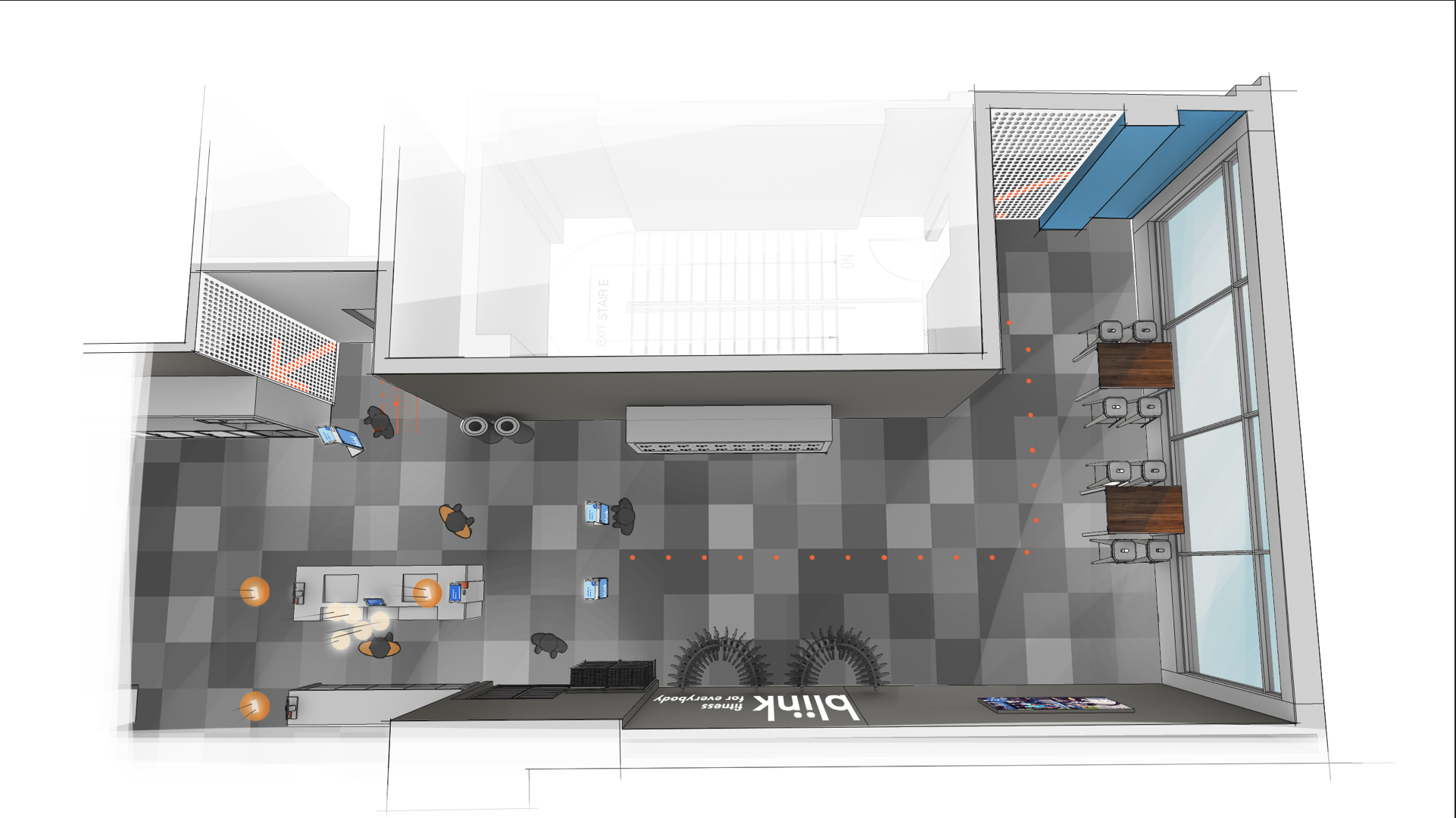
Entry spacial plan. Moving check-in away from the desk reduces lines and allows employees to have focused interactions with members for higher touch moments.
The problem
In observation, we saw a single guest check-in take 34 seconds. In that time, there were 4 account issues blocking other members from entering.
We created a connected employee device to monitor all entry actions and let employees quickly problem solve.
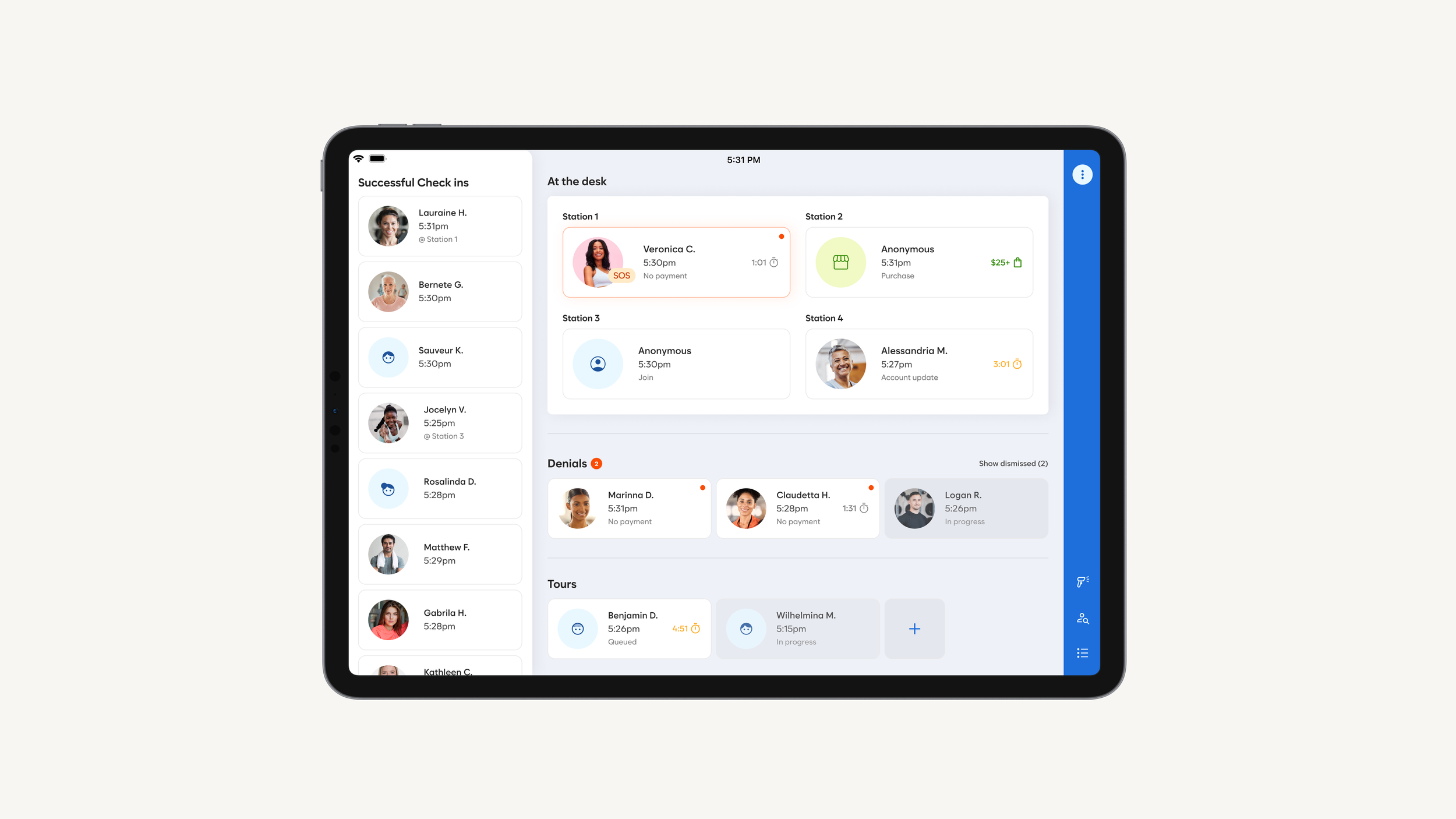
The employee device can monitor check-in, handoff member sessions to self-service, and assist with critical tasks - all while having the ability to move around.
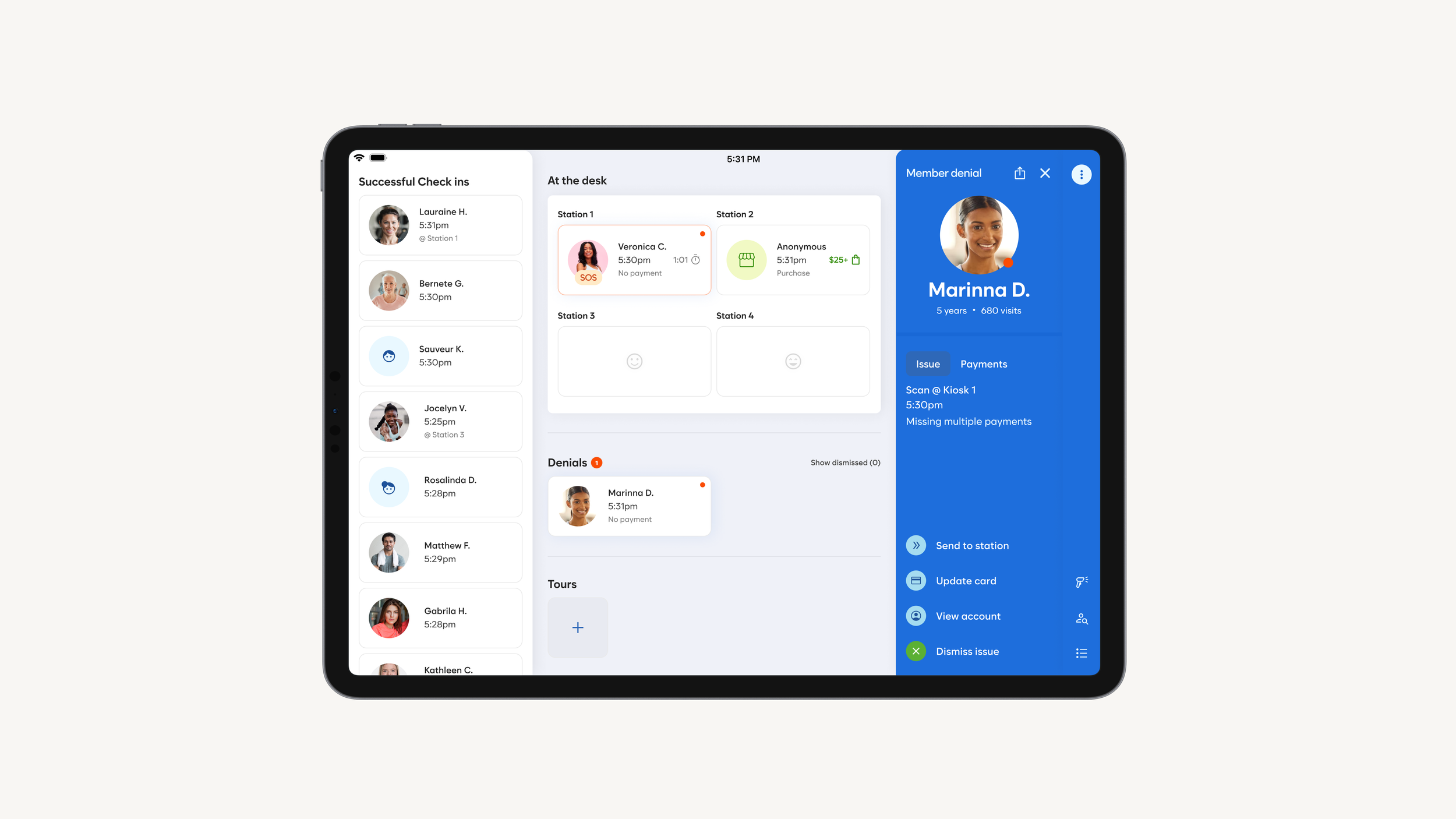
Layout, color, iconography, and sound was also used on the staff device to help them prioritize issues, and still simultaneously have "eyes everywhere".
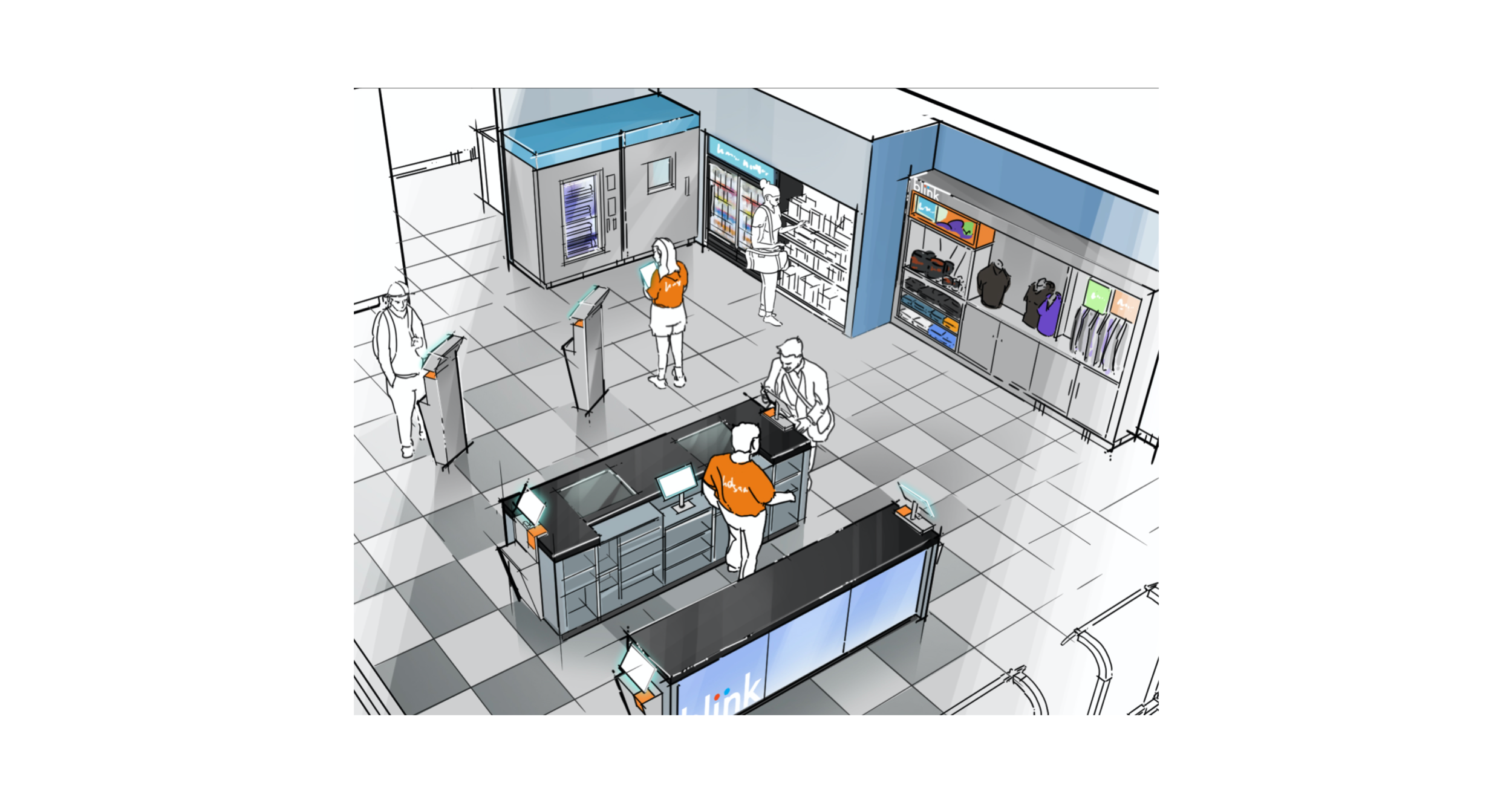
Portable devices optimize staff’s work day, giving them flexibility to move throughout the space to better greet members and solve issues.
The problem
Purchases, check-in, and issues all were processed via two computers at the front desk creating massive bottlenecks.
We categorized tasks by high touch vs. low touch of a Blink employee’s involvement. For low touch moments, we created a supported self-service kiosk on the desk.
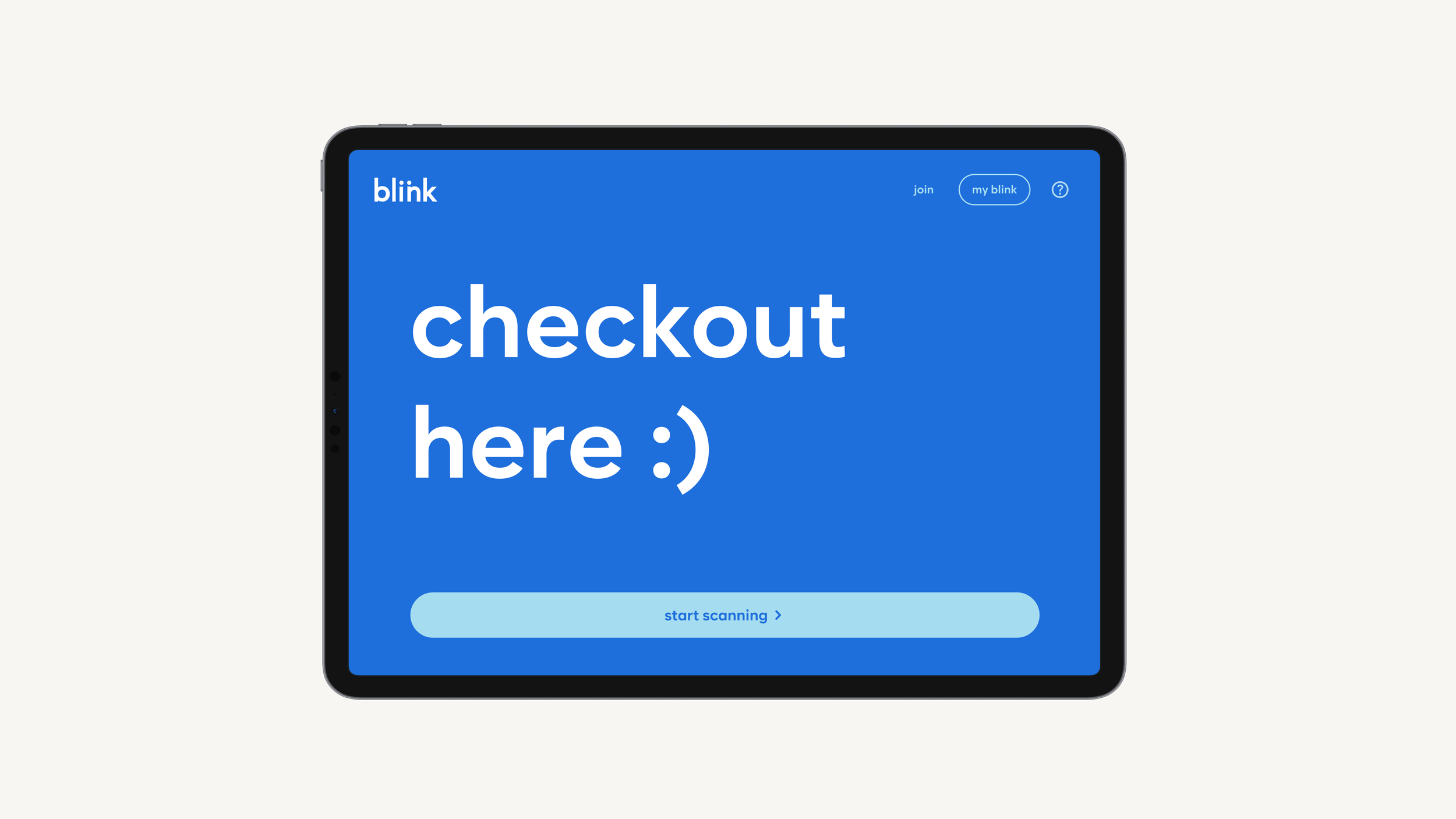
Self-service devices provided members autonomy and cleared out the space by reducing load of the staff.
Members can complete actions like purchases joining, or solving card issues themselves, but we located these devices at the desk so staff can still have a close eye on these high-touch interactions.
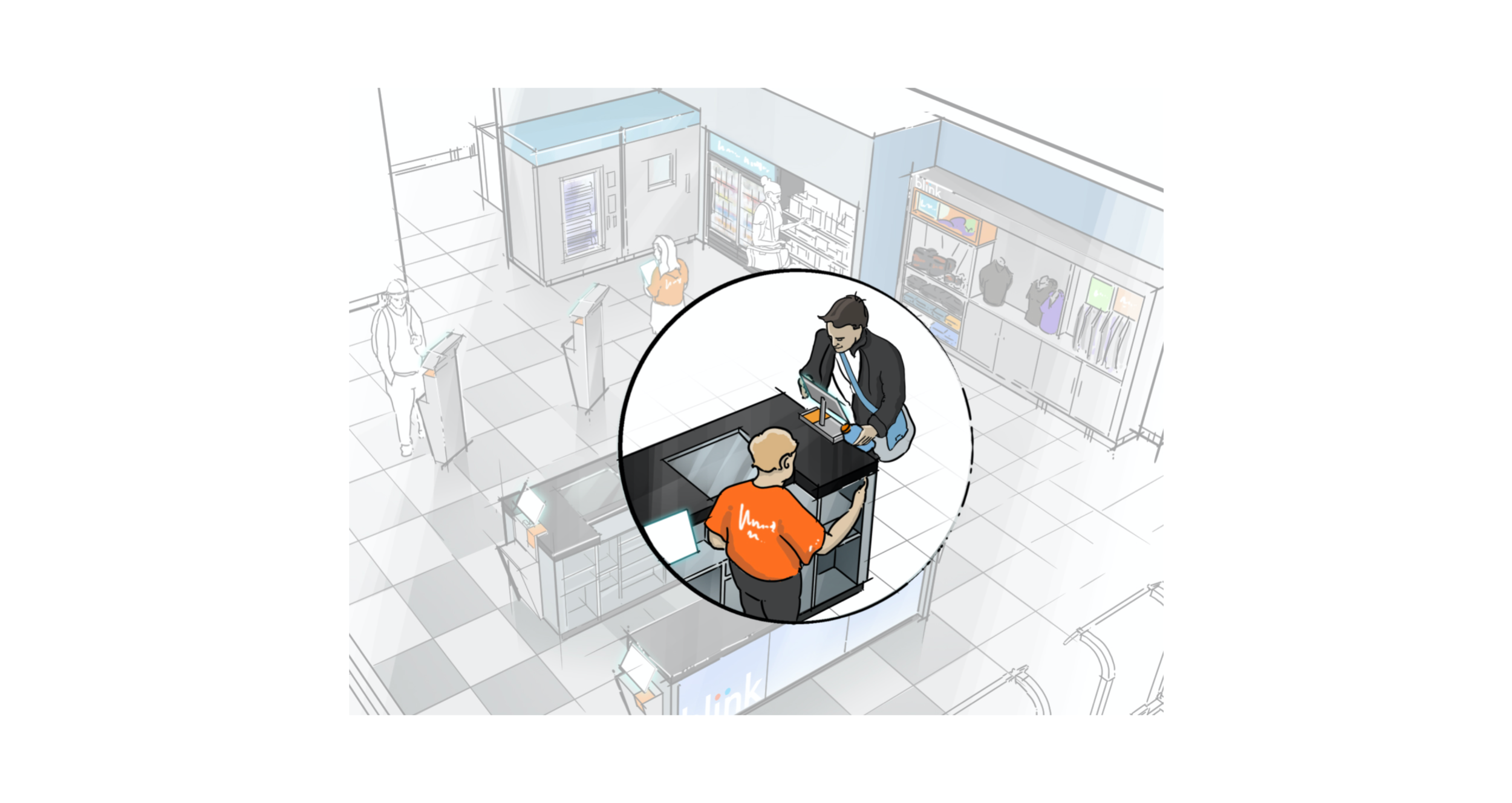
Members can be self-sufficient and quickly solve tasks, while allowing the staff to focus on lifting moods.
The impact